
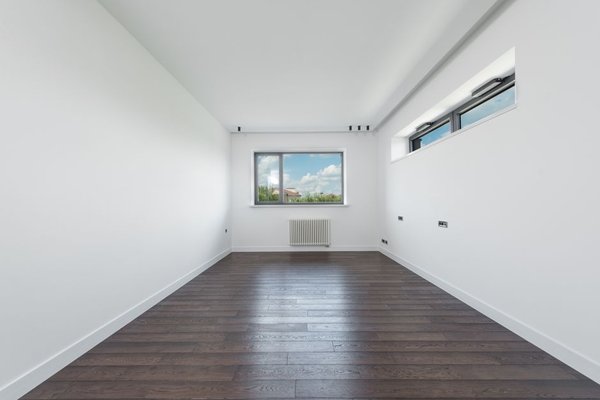
An unfurnished flat can look almost empty on moving day, but that does not mean there is nothing worth insuring. Your clothes, laptop, phone, kitchen equipment and any furniture you bring could cost thousands of pounds to replace after a fire, burglary or serious leak. The landlord’s insurance generally protects the building, not the things you own.
Renters insurance for unfurnished flats in the UK usually means a contents policy designed for tenants. Depending on the policy, you can also arrange protection for accidental damage, possessions taken outside and certain liabilities to the landlord. The trick is understanding exactly which risks belong to you.
Why ‘unfurnished’ does not mean ‘uninsured’
Estate agents use ‘unfurnished’ to describe what comes with a property, not what will be inside it once you move in. Some flats still include curtains, flooring, fitted cupboards, an oven or a fridge. Your tenancy inventory should identify which items the landlord has supplied.
Imagine moving into a one-bedroom unfurnished flat with a £900 laptop, £600 television, £1,200 of clothes and £700 of kitchenware and small appliances. That is already £3,400 before adding a bed, sofa, bicycle or phone. These figures are illustrative, but they show why a seemingly modest household can face a substantial replacement bill.
What a renters contents policy can protect
Standard tenant belongings cover commonly insures personal possessions against specified events such as theft following a covered break-in, fire and escape of water. Flood and storm protection may also be included, subject to the wording and exclusions. Insurers may settle claims by repairing, replacing or paying for covered items, minus any excess.
Your belongings, including furniture you buy
Typical examples include clothes, bedding, books, electronics, cookware and freestanding furniture that you own. If you purchase a washing machine for the flat, tell the insurer and check that it falls within your contents definition. A washing machine supplied by the landlord is a different matter, even if you use it every day.
Where the cover stops
Ordinary contents insurance is not a maintenance contract. Gradual deterioration, wear and tear, deliberate damage and many mechanical or electrical breakdowns are generally excluded. Theft without the required evidence of forced or violent entry may also be restricted under some policies. Check the precise wording rather than relying on a comparison-site summary.
What your landlord’s insurance normally covers
Buildings insurance is generally arranged by the property owner or freeholder, depending on the building’s ownership arrangements. It addresses the structure and usually permanent fixtures, such as walls, pipes and fitted kitchen units. A landlord might separately insure furniture or appliances they supply.
That cover does not ordinarily reimburse you for your own damaged laptop, clothing or sofa. Conversely, your unfurnished flat insurance is not a substitute for the owner’s buildings policy. When an item is disputed, your check-in inventory and the policy definitions help establish who owns it and which insurer may respond.
Tenant liability and accidental damage are different
Tenant liability cover can be particularly useful in an unfurnished property because the landlord still owns valuable fixtures and fittings. Depending on the terms, it may cover your legal liability for accidental damage to those items. Some renters policies include limited tenants’ liability automatically; others offer it as an optional extra.
For example, if you accidentally crack a landlord-owned sink, your own contents section would not necessarily pay. A suitable tenants’ liability section might respond if you are legally responsible and the incident meets the policy conditions. It is not a blanket promise to cover every deduction from your deposit.
Accidental damage cover for your own possessions is separate again. Dropping and breaking your television, for instance, may require an accidental damage extension. Personal liability cover, meanwhile, generally concerns legal claims from third parties for accidental injury or property damage. Compare these three headings carefully, because their names and limits vary.
Optional extras worth checking before you buy
Rather than purchasing every add-on, consider how you actually live. Personal possessions cover can protect specified items away from home, such as a laptop taken on a train, subject to territorial limits and security requirements. Bicycle cover may have locking and storage conditions. Accidental damage may be worthwhile if you have costly electronics or furniture of your own.
How much contents insurance should you choose?
Start with a room-by-room list of everything you would have to replace. Include low-cost items that add up: towels, shoes, pans, lamps, chargers and winter clothing. Check whether the policy pays on a new-for-old basis, applies deductions for certain items or sets a maximum for valuables.
Choose a sum insured that reflects the replacement cost, not simply what you paid second-hand. Underinsuring can limit a claim, especially where the policy contains an average clause. Check the excess too: a cheaper premium may come with a larger amount to pay yourself when something goes wrong.
Check the tenancy agreement without confusing it with the policy
There is no general UK legal requirement for renters to buy contents insurance. Read your tenancy agreement for any relevant obligations, but do not assume a clause means a particular insurance product is mandatory or lawful in every part of the UK. If unsure, seek independent housing advice.
Before paying, ask the insurer whether your type of tenancy, furnished status, security arrangements and occupancy are acceptable. Give accurate information about locks, previous claims and any extended periods when the flat will be empty. An incorrect declaration can create problems later.
Frequently asked questions
Do I need renters insurance if the flat has no furniture?
You do not generally have to buy it by law, but your own belongings remain exposed. Even without a sofa or bed, electronics, clothes and kitchen items can be expensive to replace. A basic contents policy may make sense if a major loss would strain your finances.
Does renters insurance cover damage to the landlord’s carpet?
Possibly, through a suitable tenants’ liability or accidental damage provision, depending on ownership, what happened and the policy wording. Ordinary wear and tear is generally excluded. Check which section applies before assuming a claim will be paid.
Will my laptop be insured outside the flat?
Not automatically. Cover away from the insured address often requires personal possessions protection and may have item limits or conditions. Look for the exact geographical scope and theft exclusions.
Can I get cover in an unfurnished flatshare?
Yes, but eligibility and security requirements vary. Tell the insurer who lives there and whether rooms can be locked. Each person’s belongings may need separate cover unless a suitable joint policy is arranged.
A sensible policy for an unfurnished home
The best starting point is not the amount of furniture included in the tenancy; it is what you own and what you could be liable for damaging. Compare contents limits, tenant liability cover, optional extras, excesses and exclusions side by side. That gives you a realistic picture of what your renters insurance would do when you need it, instead of discovering the gaps after an accident.