
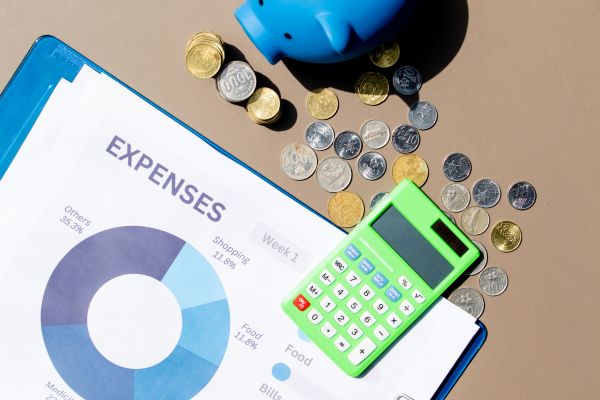
When everyday expenses keep rising, most households don’t change everything overnight. The shift is usually quieter than that. People start comparing prices more often, delaying non-urgent purchases, cooking differently, driving less, reviewing subscriptions, and paying closer attention to where small amounts of money disappear each week.
For many families, the cost of living in Australia has turned budgeting from a once-in-a-while task into a regular household habit. It’s no longer just about saving for a holiday or paying down debt. It’s about making sure groceries, rent or mortgage repayments, utilities, transport, insurance, school costs and healthcare can all fit into the same pay cycle without constant pressure.
Grocery Shopping Becomes More Strategic
One of the first habits to change is the weekly shop. People who once bought familiar brands without much thought often start comparing unit prices, choosing supermarket brands, shopping from a list, or planning meals around specials.
There’s also a shift away from impulse buying. A household might still buy treats, but fewer items get tossed into the trolley “just because”. Larger packets, bulk buys and freezer-friendly meals become more appealing, provided they genuinely reduce waste and fit the budget.
Meal planning also becomes less aspirational and more practical. Instead of planning elaborate dinners, households often build meals around affordable staples: rice, pasta, lentils, eggs, seasonal vegetables, oats, canned tomatoes, tuna, beans and cheaper cuts of meat. The goal isn’t bland eating. It’s stretching ingredients further without feeling like every meal is a compromise.
Takeaway Turns Into an Occasional Treat
Rising expenses often make households rethink convenience spending. Takeaway coffees, food delivery, lunches at work and last-minute dinners out can quietly drain a budget.
That doesn’t mean people stop enjoying them altogether. More often, these purchases become intentional. A Friday takeaway might stay, while midweek delivery disappears. Coffee out might become a social habit rather than a daily default. Packed lunches, leftovers and quick home-cooked meals start to feel less like sacrifices and more like control.
The biggest change is awareness. Households begin seeing convenience as a cost category, not just a response to being tired or busy.
Energy Use Gets More Attention
When electricity and gas bills rise, small energy habits suddenly matter. People become more conscious of heating and cooling, switching off unused appliances, running full laundry loads, using timers, sealing draughts and choosing off-peak usage where available.
Heating and cooling tend to get the closest scrutiny because they can quickly push bills higher. Families may use fans before air conditioning, layer clothing before turning up the heater, or close off rooms that aren’t being used.
These habits aren’t glamorous, but they’re often effective. They also tend to stick, especially once people see the difference on their next bill.
Transport Choices Become More Deliberate
Fuel, car insurance, servicing, registration and parking can make transport one of the most noticeable pressure points in a household budget. When money gets tight, people often start combining errands, carpooling, walking short distances, using public transport more selectively, or working from home when possible.
For two-car households, there may be a bigger conversation about whether both vehicles are still necessary. That decision depends on location, work schedules, family commitments and public transport access, but it’s increasingly part of the financial discussion.
Even smaller changes matter. Planning trips better, checking tyre pressure, avoiding unnecessary short drives and comparing fuel prices can all reduce costs over time.
Subscriptions Get Reviewed More Harshly
Streaming services, apps, memberships, cloud storage, meal kits, software, fitness platforms and digital tools can easily pile up. When expenses rise, households often start asking a blunt question: are we actually using this?
Unused subscriptions are usually the first to go. Then come duplicate services. A family might keep one streaming platform instead of four, pause a gym membership, cancel app trials before they renew, or rotate services month to month.
This is one of the easier habits to change because it doesn’t always affect day-to-day comfort. Cutting a forgotten subscription can free up money without changing much else.
Repairs, Reuse and Second-Hand Buying Become Normal
When budgets are under pressure, households often become less quick to replace things. Clothes get mended. Appliances are repaired where possible. Furniture is bought second-hand. Children’s items are passed along, swapped or sourced through local groups.
This isn’t just about saving money. It also changes how people think about value. A cheaper item isn’t always better if it breaks quickly. A second-hand quality product may be more useful than a new low-cost version.
The same applies to home maintenance. Small repairs get handled earlier to avoid larger costs later, especially with plumbing, roofing, appliances and vehicles.
Financial Conversations Become More Frequent
Rising expenses often force households to talk about money more openly. That might include weekly budget check-ins, shared spending limits, clearer priorities, or conversations with children about why certain purchases need to wait.
These conversations can be uncomfortable at first. Still, they’re important. When everyone in the home understands the limits, money decisions feel less random and less personal. Couples may also become more transparent about individual spending. Separate accounts can still work, but shared expenses need clearer planning when costs rise.
Big Purchases Take Longer to Decide
When everyday costs increase, large purchases usually slow down. Furniture, holidays, electronics, renovations and cars are weighed more carefully. People compare finance options, wait for sales, save for longer, or choose a smaller version of the original plan. This delay isn’t always negative. It can reduce regret spending. Households often become better at separating genuine needs from purchases driven by stress, comparison or convenience.
The Main Habit Is Paying Attention
The biggest household change isn’t one specific behaviour. It’s attention.
When money feels comfortable, small leaks in the budget are easy to ignore. When expenses rise, those leaks become harder to overlook. Households start noticing patterns: where food is wasted, which bills have crept up, which purchases are emotional, which services aren’t being used, and which routines cost more than expected.
Rising costs can be stressful, and no amount of careful budgeting fixes every financial pressure. But household habits do make a difference. Small changes, repeated consistently, can create breathing room and help families feel more in control, even when the wider economy feels anything but predictable.