
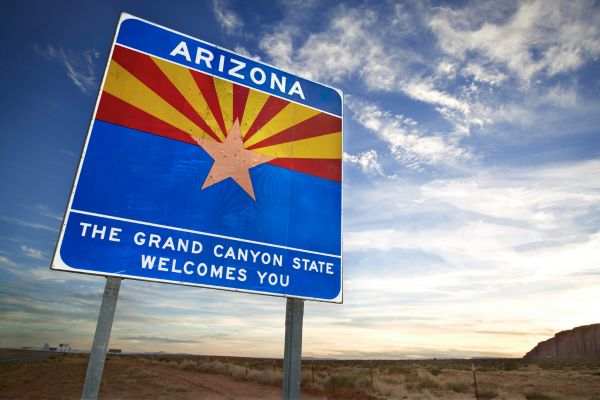
Arizona has a way of making insurance feel very local. A person living in central Phoenix may think about heavy traffic, heat-related car wear, and rising home values. A homeowner in Flagstaff may care more about winter storms, wildfire exposure, and roof protection. Someone near Tucson might be looking at dust storms, monsoon flooding, and long highway drives. In the desert, mountains, border towns, suburbs, and fast-growing city neighborhoods, risk does not look the same everywhere.
That is why an Arizona insurance guide should do more than explain policy names. It should help residents understand how local conditions, state rules, agents, and everyday decisions shape coverage. Insurance is not only paperwork. It is a financial safety net that should match the place where people actually live, drive, work, and build their lives.
Understanding Insurance in Arizona
Insurance in Arizona is shaped by state regulation, private insurance markets, and local risk. The state has rules for required coverage, licensing, consumer protection, and certain claim practices. But the policy a person buys is still a contract, and that contract matters. It explains what is covered, what is excluded, how much the insurer may pay, and what the policyholder must do when a loss happens.
For Arizona residents, the climate adds an important layer. Extreme heat can affect homes, vehicles, and health. Monsoon storms can bring sudden wind, water, hail, and flash flooding. Wildfire risk can affect homes near forests, grasslands, and rural communities. Even in urban areas, fast growth and higher repair costs can influence insurance needs.
A good policy is not always the cheapest one. It is the one that gives reasonable protection against losses that would be difficult to handle alone.
Auto Insurance and Arizona Driving Laws
Auto insurance is one of the most important required coverages in Arizona. Drivers are required to carry liability insurance that meets the state’s minimum limits. Arizona’s minimum liability requirements are commonly described as 25/50/15. This means coverage for bodily injury to one person, bodily injury for two or more people in one accident, and property damage caused by the insured driver.
These minimums help satisfy legal requirements, but they do not always provide full financial protection. Liability coverage mainly protects other people if the insured driver causes an accident. It does not automatically repair the insured driver’s own vehicle or cover every possible cost after a serious crash.
Arizona driving can be demanding. In Phoenix and surrounding suburbs, daily traffic can be heavy and impatient. On rural roads, long distances, high speeds, wildlife, and limited services can create different risks. Dust storms can reduce visibility quickly, and monsoon rains can make roads dangerous in minutes. Because of this, many drivers consider additional coverage such as collision, comprehensive, uninsured motorist coverage, and medical payments coverage.
Collision coverage may help repair or replace a vehicle after an accident. Comprehensive coverage may apply to theft, vandalism, hail, falling objects, fire, or weather-related damage. Uninsured or underinsured motorist coverage can matter when another driver does not have enough insurance to pay for the damage they cause.
The legal minimum is only the floor. The better question is whether the policy would actually protect the driver after a costly accident.
Homeowners Insurance in Arizona
Homeowners insurance in Arizona usually covers the home structure, personal belongings, liability, and additional living expenses if a covered loss makes the house temporarily unlivable. But no two homeowners policies are exactly the same. Deductibles, exclusions, limits, roof coverage, water damage rules, and replacement cost terms can make a major difference.
Arizona homeowners face risks that may not be obvious to people from cooler or wetter states. Intense sun and heat can age roofs, exterior materials, air conditioning systems, and plumbing components. Monsoon storms can bring wind and hail damage. In some areas, wildfire risk can influence availability and pricing. In desert neighborhoods, water damage may seem unlikely until a sudden storm overwhelms drainage or causes roof leaks.
Homeowners should also think carefully about replacement cost. The cost to rebuild a home is not always the same as the market price. Labor, materials, debris removal, local codes, and inflation can all affect the amount needed after a major loss. If coverage limits are too low, a homeowner may not discover the problem until the worst possible time.
Flood Insurance and Monsoon Season
Flood insurance is an important topic in Arizona, even though many people do not associate the desert with flooding. In reality, flash floods are a serious concern. Dry washes, hard soil, sudden rainfall, and fast-moving storm systems can create dangerous water flow in a short time.
Standard homeowners insurance usually does not cover flood damage from rising water. That means a separate flood insurance policy may be needed. Some homeowners may be required to carry flood insurance by a lender if the property is in a designated flood zone, but flood risk does not stop at mapped boundaries. A strong monsoon storm can cause damage in places that do not feel “flood-prone” most of the year.
Renters should pay attention too. A landlord’s property insurance normally protects the building, not a tenant’s belongings. If a ground-floor apartment or rental home is damaged by flooding, the tenant may need separate coverage for personal property.
Arizona’s dry climate can make flood risk feel distant, but monsoon season has a way of reminding people that water damage can arrive quickly.
Wildfire Risk and Rural Property
Wildfire exposure is another important part of insurance planning in Arizona. Forested areas, mountain communities, and rural properties can face higher risk, especially during dry and windy periods. Even homes that are not directly inside forested land may be affected by smoke, evacuation, power interruption, or nearby fire activity.
Homeowners in higher-risk areas should review their policy carefully. It is important to understand whether fire is covered, how smoke damage is handled, what temporary living expenses are available, and whether detached structures such as sheds, garages, fences, or workshops are included.
Property maintenance can also matter. Clearing brush, maintaining defensible space, repairing roofs, and updating older materials may not only reduce risk but also help homeowners qualify for better options in some cases. Insurance cannot replace prevention, but prevention and insurance work best when they support each other.
Renters Insurance for Arizona Tenants
Renters insurance is often overlooked because tenants do not own the building. But the landlord’s insurance usually does not cover the tenant’s personal belongings. If a fire, theft, water leak, storm, or other covered event damages furniture, clothing, electronics, or household items, renters insurance may help replace them.
This coverage can be useful in apartments, student housing, rental homes, and shared living spaces. In cities like Phoenix, Tucson, Tempe, Mesa, and Scottsdale, renters may own more valuable items than they realize. Laptops, phones, furniture, kitchen items, clothing, bicycles, and work equipment can add up quickly.
Renters insurance may also include liability protection. If someone is injured inside the rental unit or if the tenant accidentally causes damage, liability coverage can help reduce financial exposure. It is a small policy category, but it can carry real practical value.
Health Insurance in Arizona
Health insurance in Arizona can come through employers, private plans, marketplace coverage, Medicare, Medicaid, or other programs depending on a person’s situation. Choosing health insurance is not only about the monthly premium. It also involves deductibles, copays, coinsurance, provider networks, prescriptions, and out-of-pocket limits.
Arizona’s geography can make provider access an important issue. People living in large metro areas may have more choices of hospitals, clinics, and specialists. Rural residents may need to think more carefully about travel distance, emergency care, and network availability.
A plan that looks affordable may not be the best fit if it excludes a preferred doctor, has poor prescription coverage, or creates high costs for routine care. Families should consider expected medical needs, ongoing prescriptions, specialist visits, urgent care access, and hospital preferences before choosing a plan.
Business Insurance in Arizona
Arizona has a growing and diverse business environment. Restaurants, contractors, real estate professionals, healthcare offices, consultants, online businesses, landscapers, repair shops, and tourism-related companies all face different risks. Business insurance should reflect the actual work being done, not just the business name.
General liability may help with third-party injury or property damage claims. Commercial property insurance can protect business equipment, inventory, and physical locations. Professional liability may matter for consultants, advisors, designers, medical professionals, and others whose services could lead to financial harm if mistakes occur. Commercial auto insurance may be needed when vehicles are used for business purposes.
Workers’ compensation is also a key issue. Arizona generally requires employers to secure workers’ compensation coverage for employees. This coverage can help with medical costs and wage replacement when an employee is injured on the job. For small businesses, it is important to understand the rule before hiring, not after an accident happens.
The Role of Local Insurance Agents
Local insurance agents and brokers can be valuable in Arizona because risk is so regional. A person insuring a home in Scottsdale may have different needs than someone in Prescott, Yuma, Sedona, or rural Apache County. A local professional may understand wildfire concerns, monsoon claims, roof questions, auto patterns, and carrier availability in specific areas.
Still, consumers should stay involved. A good insurance conversation should include more than a quick quote. It should cover deductibles, exclusions, claim procedures, coverage limits, endorsements, and what happens after a major loss.
It is also wise to check that an insurance agent or company is properly licensed in Arizona. Insurance decisions affect homes, vehicles, businesses, and family finances. They deserve careful attention.
Reviewing Policies Before a Loss Happens
Insurance is easiest to understand before there is a claim. After a crash, storm, fire, theft, injury, or flood, people are usually stressed. That is not the best time to discover that a policy does not include the coverage they assumed it did.
Arizona residents should review policies after major life changes. Buying a home, moving to a new county, adding a driver, starting a business, renovating property, purchasing expensive items, or changing jobs can all affect coverage needs.
A yearly review is also helpful. Costs change. Risks change. Property values change. Personal finances change. A policy that worked five years ago may not fully fit today.
Conclusion
An Arizona insurance guide is really a guide to living with the state’s unique mix of beauty, distance, weather, and growth. Arizona offers desert cities, mountain towns, rural roads, fast-growing suburbs, and communities shaped by heat, storms, wildfire, and movement. Insurance cannot remove those risks, but it can make them easier to manage.
Auto insurance helps protect drivers from the financial impact of accidents. Homeowners and renters coverage protect the places and belongings people rely on every day. Health insurance supports access to care, while business insurance helps local work continue through difficult moments.
The best insurance choices are thoughtful, local, and realistic. They come from reading the details, asking better questions, and choosing protection that fits real life in Arizona. When coverage is chosen with care, it becomes more than a policy. It becomes a quiet form of stability in a state where conditions can change quickly.