
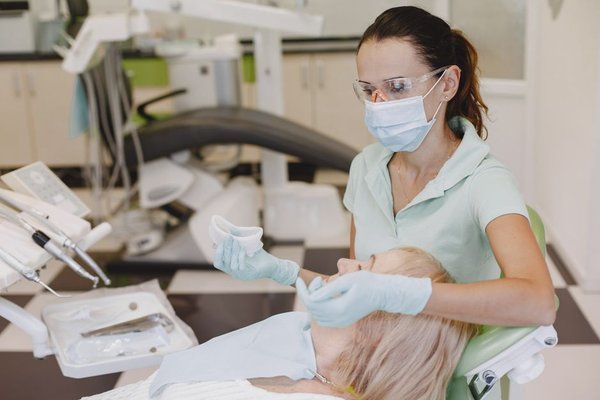
Dental insurance in the UK can help with check-ups, treatment and unexpected dental bills, but “covered” does not mean every cost is paid. Two policies with similar premiums can produce very different refunds. The useful questions are how much you can claim, when cover starts and which treatments are excluded.
This matters if you use a private dentist, struggle to access NHS appointments or are considering cover through work. Understanding the small print before treatment is more valuable than choosing the longest list of benefits.
How dental insurance works
You pay a monthly or annual premium. With many policies, you pay your dentist first, submit an itemised receipt and claim back an eligible amount. Some arrangements pay the practice directly. A dental policy UK provider may reimburse NHS fees, private treatment or both.
Payments may be calculated as a percentage of the bill, a fixed sum for a procedure or an allowance for a category of care. Dental insurance is therefore usually a contribution towards costs, not a promise to eliminate them.
What treatment can be covered?
Routine care
Basic oral health cover may contribute towards examinations, clinically appropriate X-rays and hygienist visits. Some policies have a separate annual allowance for routine care; others refund a percentage. Check whether preventive appointments and treatment of gum problems fall under different limits.
Restorative care and emergencies
More extensive private dental cover may contribute towards fillings, extractions, root canals, crowns and bridges. Accident or emergency benefits may have separate conditions. An emergency visit, temporary repair and later permanent restoration are not necessarily treated as one claim.
Never assume whitening, implants, orthodontics or cosmetic procedures are included. Even when a treatment is listed, specific exclusions or limits may leave you paying most of the dentist’s fee.
Four policy details to check closely
Annual benefit limits
Look for an overall yearly maximum and individual limits for routine, restorative and emergency treatment. A policy might refund 70% of a filling but stop once its restorative allowance is used. Check whether limits apply per person, per treatment or per policy year.
Waiting periods
Many policies make you wait before claiming for certain treatments. Timings can differ between routine care, major work and accidents. Buying dentist insurance after a tooth starts hurting might not help with the urgent bill. Confirm the actual start date for each benefit.
Pre-existing conditions
Known dental problems, treatment already recommended or symptoms present before joining may be excluded. If your dentist has advised a crown or identified gum disease, ask the insurer how that condition would be treated. Answer application questions accurately and seek written clarification where necessary.
Excesses and dentist restrictions
Some policies deduct an excess, limit reimbursement to recognised fees or require you to use participating dentists. Expensive work may need pre-authorisation. Note claim deadlines, receipts and treatment-plan requirements before booking.
Dental insurance and NHS treatment are different
NHS dentistry has its own eligibility and charging arrangements, which differ between England, Wales, Scotland and Northern Ireland. Some patients qualify for free treatment or help with costs. Holding private dental insurance does not guarantee access to an NHS dentist.
In England, NHS charges use treatment bands. From April 2026, the standard charges are £27.90 for Band 1, £76.60 for Band 2 and £332.10 for Band 3. Those figures do not apply throughout the UK. Comparing NHS dental charges with your likely private fees helps establish how much insurance could save you.
Some policies refund eligible NHS charges fully while reimbursing only part of private fees. If you already have reliable NHS access, that distinction may matter more than a headline promise of extensive private benefits.
A practical example of the real cost
Imagine a policy costs £24 per month, or £288 a year. You need a private filling costing £180. If it refunds 70% of eligible restorative treatment, with no excess and enough allowance remaining, it would pay £126. You would pay £54 for the filling alongside your premiums. These are illustrative figures, not an insurer’s quotation.
But suppose the policy has only £80 left in its annual restorative allowance. The refund might then be capped at £80, leaving you £100 to pay. That is why annual limits matter as much as refund percentages. For expensive work, ask for a written estimate and confirmation of what your insurer is likely to pay.
Insurance versus cash plans and dentist payment plans
Stand-alone dental insurance is designed for specified dental claims. A healthcare cash plan may refund modest amounts towards dental, optical and other healthcare bills, each with its own limit. A dentist’s payment or capitation plan typically spreads the cost of care at a particular practice and may offer additional benefits.
They are not interchangeable. A practice plan can restrict your choice of dentist, while ordinary private medical insurance may exclude routine dental care. Compare dental insurance vs dental payment plans against the appointments and treatment you actually need.
How to compare policies sensibly
Read the full policy terms alongside the summary. Compare annual premiums, exclusions, renewal conditions, waiting periods, category limits, excesses and the choice of dentist. Find out if your employer already provides cover before paying for another plan.
If you usually need only occasional NHS check-ups, saving regularly for dental care may cost less. If you depend on private treatment, compare realistic annual bills with potential refunds. Keep the terms in force when you join and all receipts. If a claim is refused, request the relevant clause in writing. Eligible unresolved complaints can be referred to the Financial Ombudsman Service.
For a deeper comparison, check dental insurance waiting periods before choosing a start date or scheduling treatment.
Frequently asked questions
Is dental insurance worth it in the UK?
It depends on your expected treatment, NHS access, private prices and policy limits. Compare the annual premium with the amount you could realistically recover, and consider whether savings would cover an unexpected bill.
Can I use dental insurance with an NHS dentist?
Some policies reimburse eligible NHS charges, sometimes at a higher rate than private care. Others focus on private treatment. Check the policy’s NHS provision before buying.
Will it pay for treatment I already need?
Often not. Previously identified problems, recommended work and pre-existing conditions may be excluded. Waiting periods can also apply. Ask the insurer about your specific circumstances.
Are dental implants covered?
Not automatically. Many standard policies exclude implants or cover them only in limited circumstances, such as certain accidents. Check implant-related restoration costs and any benefit cap.
Making a confident choice
The most suitable dental insurance UK policy is not necessarily the cheapest or the one advertising the highest benefit. Start with your likely dental needs, obtain realistic fees and calculate what each plan would leave you paying after limits and exclusions. Clear expectations are the best protection against an unwelcome bill.