
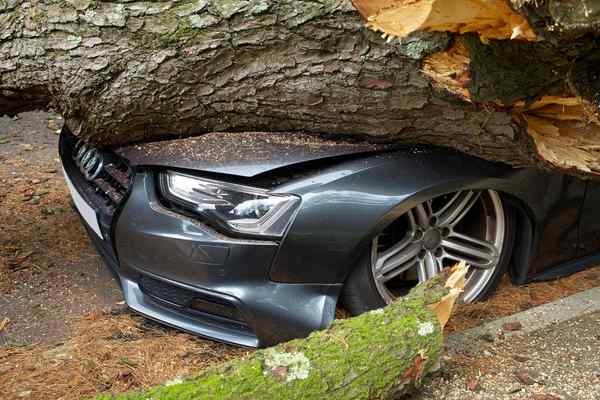
“Fully comprehensive” sounds like a promise that virtually every motoring mishap is covered. In the UK, it is better understood as the broadest standard level of car insurance, not an all-inclusive guarantee. Comprehensive cover normally goes further than third party, fire and theft by adding protection for accidental damage to your own car, but the exact benefits, exclusions, excesses and limits still depend on the policy you buy.
That distinction matters. Two policies can both be described as comprehensive while offering different levels of windscreen protection, courtesy-car provision, personal belongings cover or legal expenses. The safest way to judge a policy is therefore not by the label alone, but by reading its schedule, policy wording and optional extras.
What fully comprehensive car insurance usually covers
Fully comprehensive car insurance in the UK includes third-party protection, so it can cover your legal liability if you injure another person or damage someone else’s vehicle or property while driving within the terms of the policy.
The key addition is own damage cover. If you are at fault in a collision, comprehensive insurance can usually pay for eligible repairs to your own car, subject to the policy excess and other terms. It also normally includes fire and theft protection.
Many comprehensive policies also include some protection for vandalism, windscreens, medical expenses or personal belongings. However, limits differ. A windscreen claim may carry a separate excess, belongings may be capped, and some benefits may only apply if you use an approved repairer.
What “comprehensive” does not automatically mean
The biggest misconception is that full car insurance removes the need to check exclusions. It does not. Comprehensive is a level of motor cover, not a promise that every loss connected with your car will be paid.
Mechanical failure and wear are usually excluded
If an engine, clutch, battery or electrical component fails because of age, deterioration or ordinary wear and tear, a standard comprehensive policy will not normally pay for the repair. Car insurance is mainly designed for insured events such as accidents, theft and fire rather than routine maintenance or breakdowns.
Business use may need to be declared
A policy arranged for social, domestic and pleasure use may not cover driving outside those permitted uses. Commuting and business travel can be treated differently, so the use shown on the policy must match how the vehicle is actually driven.
Driving another car is not guaranteed
Having comprehensive cover UK motorists rely on does not automatically mean you can drive any other car. Some policies include a Driving Other Cars extension, while others do not. Where it is included, cover is commonly third party only, so damage you cause to the borrowed car may not be covered by your own policy.
Before borrowing a friend’s car, check the policy rather than assuming your comprehensive status is enough. If you drive another vehicle regularly, being added as a named driver or arranging suitable temporary insurance may provide clearer protection.
Courtesy cars, breakdown cover and legal expenses
These extras are where policy names can be misleading. A courtesy car may be available only while your vehicle is being repaired by an approved garage. It may not be provided after theft or if your car is declared a total loss. Breakdown assistance and motor legal protection are also often optional rather than standard.
If these features matter to you, check for them explicitly. For further reading, see third party vs comprehensive car insurance, how car insurance excess works, and what affects car insurance premiums.
How claims for your own car are usually settled
Comprehensive insurance can cover eligible damage to your own vehicle, but a claim is still subject to the excess shown on the policy. If your repair bill is £1,200 and the applicable excess is £350, the insurer would generally deal with the covered amount above that excess if the claim is accepted.
If the vehicle is written off, insurers normally settle based on its market value immediately before the loss, rather than automatically paying what you originally paid for the car or what you still owe on finance.
A practical tip is to keep recent service records, clear photographs of the vehicle and receipts for significant factory options or declared upgrades. They may help if there is later a disagreement about condition or valuation.
Why a comprehensive claim can still be affected
Insurers expect accurate information when a policy is arranged and during its life. Problems can arise if an undisclosed modification, incorrect main-driver information or materially inaccurate mileage affects the risk. Claims can also be affected when the car is driven by someone who is not covered, used for an excluded purpose or kept in an unroadworthy condition.
Security conditions can matter too. A theft claim may be questioned if the circumstances breach a policy condition, such as leaving the vehicle unsecured or failing to use a required security device. The wording varies by insurer.
Is fully comprehensive cover always more expensive?
No. The broadest level of cover is not automatically the most expensive quote. Insurers price risk using factors such as the driver, vehicle, postcode, claims history, mileage and use. In some cases, comprehensive insurance can cost less than a more limited third-party option.
Compare equivalent quotes rather than assuming the lowest level of cover will produce the lowest premium. Look at the compulsory and voluntary excess, exclusions, add-ons and limits as well as the headline price.
FAQ
Does fully comprehensive insurance cover damage to my own car?
Usually, yes. Accidental damage to your own insured vehicle is one of the main differences between comprehensive cover and third party, fire and theft. You will normally need to pay the relevant excess, and exclusions still apply.
Can I drive someone else’s car with comprehensive insurance?
Not automatically. Some policies include Driving Other Cars cover, but many do not, and where it exists the protection is often third party only. Check your certificate and policy wording before driving another vehicle.
Does comprehensive insurance include breakdown cover?
Not necessarily. Breakdown assistance is frequently an optional extra or a separate product. Do not assume it is included just because the policy is comprehensive.
Does comprehensive insurance cover every type of theft or damage?
No. Policy exclusions, security requirements, excesses and benefit limits still apply. Wear and tear, mechanical breakdown and use outside the insured terms are common examples of losses that may not be covered.
Conclusion
Fully comprehensive car insurance gives UK drivers the broadest standard level of motor insurance and usually adds cover for accidental damage to their own car. But “comprehensive” should never be read as “everything included.” Windscreen cover, courtesy cars, driving other vehicles, legal expenses and breakdown assistance can vary from one policy to another.
Use the label as a starting point, then compare the detail. The right policy is the one whose permitted use, excesses, exclusions and optional benefits match how you actually drive and what you expect to be covered if a claim happens.