
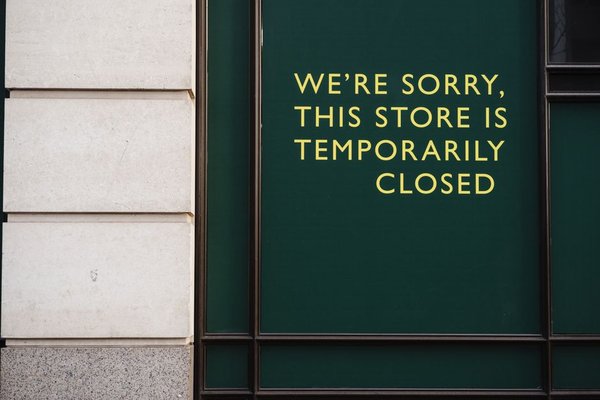
A fire, flood or major system failure can stop sales immediately, but wages, rent, loan repayments and supplier commitments continue. Business interruption insurance protects the trading income that standard property cover does not replace.
Buildings and contents insurance may pay to repair damaged premises or equipment. Business interruption cover focuses on the financial consequences while the company recovers. That conversation also includes cyber incidents, cloud failures and supply-chain disruption, although these events are not automatically covered by every traditional policy.
What Business Interruption Insurance Covers
Business interruption insurance usually responds when an insured event causes physical damage and that damage interrupts normal operations. Common triggers can include fire, storm, flood, escape of water, theft-related damage or essential-equipment breakdown, depending on the wording.
The aim is generally to place the business, financially, as close as possible to the position it would have occupied had the event not happened. A valid claim may include a shortfall in insured gross profit or income, plus reasonable extra costs incurred to reduce the disruption.
This is also described as loss of income insurance for a business, trading loss cover or BI insurance in the UK. The schedule and policy wording decide what is actually insured.
The Material Damage Requirement
Many policies contain a material damage proviso. The interruption must result from physical loss or damage covered under the related property section. If a restaurant closes after a kitchen fire, the property damage and lost trade may fit together clearly. If it closes because its booking platform fails without physical damage, the standard section may not respond.
Cyber and outage risks therefore need separate attention. Cyber insurance commonly includes interruption arising from an insured cyber event. Utility failure, denial of access, supplier damage and telecommunications disruption may require specific extensions, while some broad infrastructure outages can be excluded.
What a Successful Claim May Pay For
Lost Gross Profit or Revenue
The policy may cover a reduction in turnover and the resulting loss of insured gross profit during the indemnity period. Insurance definitions of gross profit do not always match the figure shown in ordinary accounts, so the calculation method should be checked before buying cover.
Increased Cost of Working
Reasonable extra expenditure may be covered when it helps maintain trade or shorten the interruption. Examples include renting temporary premises, hiring replacement machinery, paying overtime, redirecting phones or using an alternative fulfilment provider.
Additional Increased Cost of Working
Some businesses buy a wider extension for necessary recovery expenses that may not satisfy the standard economic test. This can help where retaining customers or protecting a specialist workforce matters even when the immediate cost exceeds the short-term loss avoided.
How the Indemnity Period Works
The indemnity period is the maximum time for which the policy will pay an insured loss after the incident. It is not simply the time needed to repair a building. Recovery may also involve planning permission, replacement equipment lead times, staff recruitment, regulatory approvals and winning customers back.
A twelve-month period can be too short for a manufacturer awaiting bespoke machinery or a hospitality business rebuilding seasonal bookings. The right period should reflect the worst credible recovery timetable, not the quickest repair estimate.
Setting the Sum Insured Correctly
Underinsurance is a serious risk because future income, not last year’s final accounts alone, may need protection. The estimate should allow for expected growth and cover the full selected indemnity period. Depending on the wording, an average clause may reduce a claim when the declared amount is inadequate.
Consider a retailer forecasting £600,000 of annual insured gross profit and choosing a 24-month indemnity period. Using only one year’s figure could leave it short during a long recovery. A broker or accountant can help translate forecasts into the policy’s gross-profit formula.
Extensions Worth Reviewing
A policy can often be tailored for risks beyond damage at the main premises. Relevant extensions may include interruption caused by damage at a key supplier or customer, denial of access, public-utility failure, equipment breakdown or incidents at another location.
Cyber interruption should be reviewed separately rather than assumed. Check covered events, outsourced technology providers and any waiting period. Examine exclusions for infrastructure failure, cyber war, poor maintenance and unsupported software.
Insurance Is Only Part of Business Continuity
Business continuity insurance is sometimes used as an informal description of interruption cover, but insurance is only one part of resilience. A continuity plan explains how the company will operate while a claim is assessed and repairs are underway.
Useful preparation includes maintaining off-site backups, documenting alternative suppliers, identifying temporary premises, keeping emergency contacts and deciding who can authorise urgent spending. These steps can reduce the loss and show that the business acted reasonably to continue trading.
What to Do When Trading Is Interrupted
Notify the insurer or broker promptly and follow emergency instructions. Take photographs, preserve damaged property where safe, record the timeline and keep invoices for extra costs. Maintain management accounts, sales records, forecasts, payroll information and evidence of cancelled orders.
Do not assume every recovery expense will be reimbursed. Discuss mitigation plans with the insurer, loss adjuster or broker before making major commitments where possible. A forensic accountant may assist with complex calculations, and some policies cover specified professional fees.
Why Claims Are Declined or Reduced
Disputes often turn on whether an insured trigger occurred, whether it caused the interruption, whether an extension applied, or whether the loss was properly supported. Late notification, exclusions, inadequate sums insured and differences between accounting profit and insured gross profit can also affect settlement.
Policy wording varies significantly. Similar-looking clauses can produce different outcomes, so a competitor’s successful claim does not prove that another company has the same cover.
If a complaint remains unresolved, complain formally to the insurer or broker. Eligible small businesses may be able to approach the Financial Ombudsman Service after a final response or after eight weeks without one.
Frequently Asked Questions
Is business interruption insurance legally required in the UK?
No, it is generally optional. However, a landlord, lender, investor or contract may require particular insurance, and many businesses buy it because property cover alone does not replace lost trading income.
Does BI insurance cover an IT outage?
Only when the wording includes the relevant trigger. Traditional cover may require physical damage, while cyber insurance or a systems, utilities or service-provider extension may cover certain outages.
How much cover is needed?
The amount should reflect the policy’s insured-profit definition, projected growth and full indemnity period. Current forecasts and professional advice are more reliable than copying last year’s turnover.
Does the policy pay from the first day?
Not always. Some sections or extensions have a waiting period, excess or time deductible. Check the schedule to see when cover begins and how the deduction is applied.
Protect the Recovery, Not Just the Property
Business interruption insurance works best when it reflects how the company earns money and how long recovery could genuinely take. Review the insured triggers, gross-profit definition, extensions, indemnity period and cyber exposure rather than buying on price alone. The goal is not merely to repair property, but to preserve the income and operating capacity needed to reopen successfully.